What if…

What if this life is a very different experience than you thought it was? These are the kinds of questions that we begin to ask during and after plant medicine and psychedelic experiences. Yes, there are the specific insights about ourselves and things that help us heal in the moment but the bigger picture questions are inspired by the fact that we can even have these experiences that are so expansive and beyond what we thought was possible in this reality. Did we dip into another reality? While our body remained in this one? Some people may see it that way and it’s an interesting idea but what serves most is to consider the fact that we’ve just been introduced to the idea that there’s so much more to this experience we call ‘life’ than we realized.

What if our thoughts (which the medicines/psychedelics/higher consciousness love to focus on to help us improve our experience) are far more powerful than we had imagined? What if we can harness these thoughts to create a better experience for ourselves? What if all of those things in life that we think are in our way are illusions? What if we begin to consider our thoughts to be navigational tools for this life? Now there’s a thought. 😉 That’s a very promising thought to follow. Where do you want to go in your life? Whether it’s a place or a situation or feeling, using your thoughts to navigate would be a very interesting approach but the ‘feeling’ is really, your ultimate destination because if you want to go to Italy and end up there and miserable, you would be quite disappointed no? Time for a new destination?

We often pursue psychedelics and plant medicines with intentions around feeling better and are introduced to very different ways of perceiving our lives in response to this intention/request. We have these revelational and profound moments of insight and then end up back in the lives we created from our previous perceptions of what this life is and how it works (or doesn’t ;-). So, then it’s time to navigate towards a life that better reflects this new understanding and although there is work to be done on the outside, the greater and more impactful work happens from the inside out. We walk away from these experiences often feeling wonderful and we don’t want that to wear off. Eventually, after getting back into our lives, it often does wear off to some degree and so we then try to set our sights on achieving that feeling again. Changing ourselves and how we think of life and how we approach it in our minds and hearts is the course we set to achieving that feeling again.

Returning to the wondrous question of ‘what if’ is a good way back to that good feeling. Keep the doors of ‘what if’ open inside of you. The kinds of ‘what if’ questions that acknowledge the incredible power we have that these experiences constantly hint at. These are the ‘what if’ highways that lead to new and better ways of living and thinking of this experience we call ‘life’.

What if we could to tap into amazing inner states through hypnotic journeying that help us begin and continue on that path of insights, healing, clarity & personal growth? Connect with me directly at reach.rebecca@me.com to find out more.

A Gateway to the Soul

Through plant medicine and psychedelic experiences, we discover a gateway to the soul, to the universe and to the inner world that is our psyche which is so incredibly vast that we could spend a lifetime exploring it and still have so much to uncover. Many believe that plant medicines/psychedelics are the gateway to the soul, but as it turns out, WE are the gateway. I have had, and have facilitated, many spectacular journeys for people who are looking to integrate their psychedelic experiences  (and even for those who have never had psychedelics) and these inner journeys happen without any substances. This doesn’t mean that psychedelics aren’t a wondrous path to the soul or the psyche – they certainly are – but it’s also wondrous to discover that we can continue (or begin) the incredible journey to ourselves in other ways. Through these inner journeys, we can learn how to honour all of the important discoveries we made through plant medicines/psychedelics. In essence, we can learn how to honour ourselves.

Journeying is such a powerful element of integration because it’s experiential. In addition to discussing the new road we’re traveling due to plant medicines/psychedelics, the revelations continue as we become more and more guided by that unique and sacred inner realm which can also be weird and wonderful – truly reminiscent of the p experience. Once we become more familiar with that inner world, we feel more comfortable checking in with it and being aware of its role in our experience of daily life. This is ultimately what we hope to achieve through integration and to navigate our lives in better ways by creating a stronger connection to that inner world that reflects outward.

To learn more about hypnotic journeying, book a free discovery call by emailing: rebecca.hayden@gmail.com

Self Discovery & Hypnotic Journeying

Access your Inner Wisdom through Hypnotic Journeying

Most of us know how important it is to be true to ourselves but how much of an effort do we make to get to know ourselves? Most of us live lives that are mainly focused on the outer world and on others in our lives. However strange it may seem when we think about it, this is a common way of life and it’s not a stretch to see how this can cause us to live in ways that don’t serve us well. How can we be true to ourselves when we don’t really know ourselves as well as we’d like to think we do? Thankfully, the idea of self-discovery is catching on now and it’s changing how we view the world and how we live our lives for the better. Journeying within is a wonderful way to do this and hypnotic journeying is a natural and effective way to not only know ourselves better but to understand just how powerful we really are.

Many of us search for wisdom not realizing that in the end, we only recognize it as wisdom because it resonates within us. When we are deeply moved or inspired by something, we know that it has reached us at a level where our own wisdom resides – which is why it resonates with us. It vibrates, if you will, at the same level as the wisdom that exists within us. So, although it can be wonderful to achieve this resonance or knowing through discovering other people’s shared wisdom, why not go to the source within that helps us to discern this wisdom in the first place? Hypnotic journeying helps us do this and so much more.

It’s hard to describe the surprise and wonder that I see in people when they discover that they have this incredible inner world that is full of revelations and wisdom. All I do mostly is to help people to discover this and help them to navigate this inner world in ways that benefit them as unique individuals. When we journey, it’s always a tailored experience because we are tapping into our own subconscious and superconscious states. I help people to learn hypnotic journeying techniques so that they can ultimately continue to access these states on their own. They can also continue to connect with this inner wisdom to provide continuing guidance, lessons and support in their daily lives.

I know the value of this kind of inner connection because it has changed my life for the better many times over and continues to do so in ways that never cease to amaze me. It began with shamanic journeying and then with plant medicines/psychedelics but what I continually asked for was to take this kind of connection with me and have it available to me – this source of wisdom – in my daily life. And so it unfolded and because this inner connection was of such value to me, I made it my mission to learn how to provide this for others.

If you’re curious to learn more about hypnotic journeying with me, please email me at reach.rebecca@me.com to book a free discovery call.

Ridicule & Shaming: Taking Us Further away from a Healthy, Civil Society

Ridicule and shaming are indicators of social disfunction in our society. How did we get here? How did we become a society of people who tolerate and participate in this kind of behaviour? My childhood was chalk full of shaming. It was a consistent aspect of the social atmosphere of both the Catholic school and church experience for me in my early years. Ridicule was also common in my social experience at home and at school from not only siblings and classmates but also teachers and other adults. It’s not surprising that children who are influenced in this way sometimes end up either considering it to be normal or behaving this way themselves, but this influence goes so much further back than that. This is a form of bullying and it’s an ancestral legacy that we perpetuate but we definitely have an opportunity to end it.  If we choose to do so, it will take awareness, intention and conviction.

How do we form awareness, intention and conviction? We do so through discovering the harm these behaviours cause and the benefits that come from changing them. Part of seeing the harm is to understand how/when this began in our lives, under what circumstances, and how it impacted us. This helps us to get a glimpse of how it may be playing out in our lives today. Once we see this, we form a better understanding of these social dynamics, and with this also comes the innumerable possibilities that could be played out in these scenarios in the absence of this behaviour and its inevitable reactions/repercussions.

My son attended a school that had an excellent reputation and wonderful teachers, but when he began to experience bullying, somehow, things fell apart. In this school, like so many others, there were posters lining the walls that made statements indicating that the school does not tolerate bullying. There were also campaign days against this behaviour. On these days, the students were meant to wear certain coloured t-shirts to support this anti-bullying sentiment. Yet, when I called my son’s teacher about the bullying he was actually experiencing and suggested that we all get together and talk about it – with the kids and their parents – to try to understand what was happening and why, it was not something that was the done thing apparently. This surprised me. The teacher was honest about the reasons – related to her workload – and I know that teachers put in a lot of hours both at school and at home. However, it left me with the understanding that this was not going to be addressed. The teacher agreed to keep her eye out and I let my son know this but I knew that this was not a good message to send to him – after all – bullying like this rarely happens in the presence of a teacher, which is why it needs to be reported. What was my son learning through this experience? There was a complete contradiction between the message of the posters and his lived experience. Despite the posters and campaigns, the actual event itself was not considered important enough to make time to discuss and yet his grades were of great importance. Unfortunately, this is not an unusual experience in this world.

When I attended elementary school, bullying was common among both students and teachers, but if the bullying got really bad, teachers at times did bring the students involved ‘to the office’ to discuss it. There was almost always shaming involved in trying to resolve the matter. Both parents and teachers shamed the child who was doing the bullying to illicit an obligatory apology.  This of course made the child who did the bullying (clearly in need of help) feel even worse and more likely to want to take it out on the child who had been bullied (or themselves – probably both). The child or children who had been bullied were further distressed by all of this and all children involved were learning that this is the way to address/resolve these issues. It was no solution and a clear indication of the social disfunction of the time. Today, in this example with my son, there wasn’t even a discussion, and this is at a time when we are apparently more socially aware of this kind of problem (bullying) than ever before.

The upshot of this is that, in these meetings of my childhood that were meant to resolve these issues, we really never got to the point where we undersood what was motivating the bullying. We didn’t get to that point, because there wasn’t an open and warm atmosphere within which to do this. Instead, there was more intimidation and bullying (shaming) which only perpetuates this behaviour.  This happens in a subtle way, in adult circles as well (or not so subtle online). It’s an old inner reaction of defensiveness or learned behaviour that is sparked or ‘triggered’ by something we experience. Then we witness and participate in scenarios where many reactions are played out without ever getting to the root of the matter because we’re allowing these reactions to dominate the situation rather than leaving room for us to explore inner motivations and to express them outwardly. There are hostile social signals and cues that indicate it’s not safe to do so. Only the most determined and courageous individuals, under these circumstances, manage to tap into and express authentic responses in these situations. This is a powerful thing when it happens and I believe it’s what is changing this world today, little by little, but with immense impact. It has this impact because it changes the tone and possibilities of these situations immediately and that is a wonderful thing to witness and experience. What comes out of these experiences helps us all learn about ourselves and each other and can bring us closer. It gives us all a different kind of behaviour to model and inspires us to explore these possibilities moving forward.

Today we speak of mental health and wellness and I think it’s important to understand what it means to be well so that we may identify ill health, socially, in this regard. When we talk about mental health these days, thankfully, emotional health is often implied but why isn’t it openly stated and demonstrated? I think we’re really in our infancy in understanding what it truly means to be well and this definitely involves everyday behaviour and the way that society functions or disfunctions. I mean, it does function but does that function serve us well and create wellness? Is that what we mean by functioning well? If our body functions well, does that mean that we are well? Are we only bodies in this world?

Unfortunately, I think most systems, institutions and organizations have been set up based on this premise: that we are bodies and brains. It is only recently that emotional abuse has been acknowledged. Now that we acknowledge this, let’s try to understand and identify it in our midst. When someone is ridiculed, what is the motivation behind it? Is it habit? It’s more common than we realize and I think we can all understand and appreciate the reality of social habits. These are strong characteristics of the social dynamic. We become accustomed to the behaviour of those around us and adopt much of it; sometimes, without even being aware of it. This is how mindfulness, or awareness, can play a strong role in making positive social change.

If we took time before reacting in many situations and thought about it or examined our feelings, we probably wouldn’t behave as we sometimes do. When we ridicule others, we shut them down and aren’t creating space to understand or appreciate other people’s unique perspective or situation. We are narrowing our social understanding rather than expanding it. Not only is this a form of subtle bullying, which diminishes others, it also reduces the possibilities that may exist in expanding our own intellectual, emotional and social horizons. The more we expand in this way, in understanding or empathizing with others, the more compassion we have in general – for ourselves and for others. When we shut down others by ridiculing them, we create an understanding within ourselves that if we have an opinion or idea, that may be ridiculed by others, it’s not safe to explore it or express it. Imagine how many potentially important ideas get shut down in this way. This is not a progressive or beneficial atmosphere to exist in – inside or out. This is how we know that the way we behave towards others, impacts us as well.

Our current understanding of health and wellness is expanding to include an emotional state of wellbeing. We know that our emotional wellbeing profoundly effects our physical wellbeing. Look up the ACEs study to see the truth of this laid out in a compelling way. Adverse (harmful) early childhood events impact our health for life. That is, unless we actively begin to discover them, heal and change. How many of us, including teachers and leaders in our society, have had some kind of adverse early childhood event that is still unacknowledged and unhealed? Not only do these early experiences ultimately impact our health, in terms of the likelihood of us contracting certain kinds of health conditions in the long term, it also affects our behaviour, which in turn impacts others and makes up our social environment.

In our society, ridicule and shaming are not uncommon.  Our daily political and social world is full of examples of ridicule and shaming which leads so many to follow suit without thinking. It has been normalized. If this is a common element of the social realm of those who lead society, what can we expect of society on the whole in terms of wellbeing? Is this what we want our children to model? We discourage children from bullying, and yet, if they witness us shaming or ridiculing others, we are sending the message that we can say that certain behaviour is unacceptable – bullying in it’s many forms – but it’s ok to continue to behave this way. This contradiction of professed values and behaviour, also becomes normalized. Perhaps it’s time to do the work of dismantling this for all of our sakes. It’s time to be courageous enough, to start to change this and it does take work. It also takes patience and compassion, for ourselves and others. Compassion, patience and openness are powerful tools to use to evolve.

Think of the many people in history who were initially ridiculed (and some imprisoned) for suggesting things like ‘the world is round’ or that the Earth revolves around the sun or the simple fact that for physicians and others, washing hands can save lives. Progress has been thwarted time and again due to the practice of ridiculing which fuelled the widespread rejection of these ideas for so much longer than they would have been if instead they were responded to with open curiosity or at the very least, tolerance. For the love of our children, for the love of ourselves, this world and to create a better atmosphere, inner and outer, let’s consider taking a more open and gentle approach to responding to one another and a more considered approach to evaluating our own reactions.
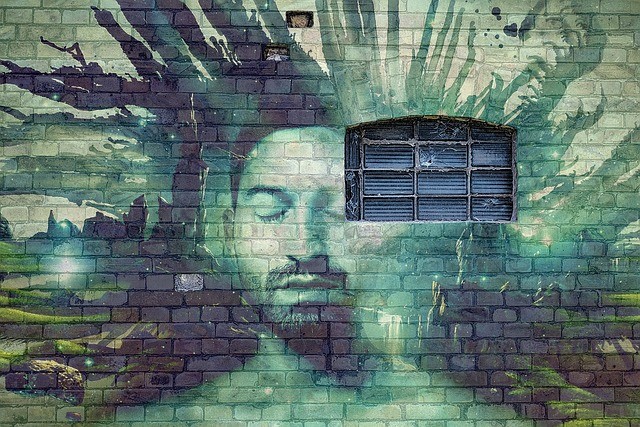
Coming Out

When I came out about my Ayahuasca experiences it felt like such a dramatic step, probably because it was. I had not been on Facebook socially for years and had been so isolated that it was a shock to the senses to even contemplate this kind of personal exposure to the masses in general let alone coming out with such a wild story. But this was only the beginning for me.

First I had to get over my own misgivings about talking openly about my experiences – sorting through them and understanding them. Did my misgivings have to do with the stigma around ‘drugs’? Or was it the stigma of others’ preconceived notions about spirits? Talking plants? Inner voices? There were many things I had to consider myself before coming out in a way that didn’t reflect my own inner barriers.

I had to sort out how I felt about it and I did that initially through writing about it and exploring my thoughts and attitudes about all of it as I went. This was a valuable process in and of itself as it taught me a lot about myself and helped bring to the surface some unhealthy attitudes that had to change – not just to help facilitate my ‘coming out’ but to help support this new, more healthy person I was becoming.

Once I had worked through a lot of my own ideas about it, I wanted to focus on the outcome of these experiences – the inspirational stuff – the stuff that all human beings can connect with and are looking for: peace, insight, connectedness, wholeness, healing, wellness & meaning. These were the most important pieces of the story and talking honestly (for me) about where I was at before I had plant medicine experiences. These were the aspects of the experience that others could identify with and there were elements of this story that held so much promise for what others wanted in their lives and what they could achieve. It was the same with me when I heard others speak about these experiences. I knew there was something there for me but I didn’t realize the full extent to which this experience would change me and continue to change me in ways that were not always comfortable to say the least.

Another thing I had to consider was my own motivations for telling my story (other than the fact that Ayahuasca was urging me to do so ;-). I have heard others speak about things (especially spiritual or even ‘cures’ or natural remedies) where their attachment to outcome came through so strongly, it turned me off. I felt their agenda and rejected what they had to say not because of the content but because of this control factor. It was uncomfortable. So, I had to figure this out about myself. Did I have an agenda? What was my purpose in telling my story? Did it come from an attachment to a desired outcome or was it because I had a more authentic motivation? Did it matter whether or not people believed me? That was a big one and important for me to explore further.

For me, at the beginning, I was so moved by what had happened to me that I felt a deep and natural desire to express it. In the heart of my experience with plant medicines, there was a truth that was so profound it deserved to be expressed. That was all. However, I had to take the journey of exploring all of the other things to get to the point where I could do this and I grew through that explorative journey. It was an integrative process. I confronted my inner barriers and discovered the reasons behind my concerns about what people might think. I explored my own ideas about plants, spirituality etc before and after plant medicines and made that part of my coming out story. That part was authentically me – a person who thrives on exploration of these matters. It’s not necessarily everyone else. If it wasn’t part of who I was, it may have come off more like I was defending some uncontested story.

So, coming out is a journey and for some of us, it may require some prep. If we search ourselves for any agendas or fears, this prep can be an opportunity for some personal growth and healing. What I have discovered is that there’s very little, if anything in life that doesn’t present this opportunity.

Personal Growth & Healing Through Hypnosis

The word ‘hypnosis’ often conjures up images of stage performances where people end up clucking like chickens in front of an audience. What does that have to do with personal growth & healing? More than you think. Although hypnosis stage acts may be performed for entertainment purposes, the possibilities that exist within the process behind the act are endless when applied in creative ways for the purpose of healing and assisting us along the path of personal growth.

When we begin to work at improving our lives, our relationships and achieving our goals, we often discover that the real barriers to achieving these goals are not external, they are internal. For those of us who make these discoveries and embark on the path of personal growth, we also learn that much of the harmful programming that was instrumental in creating these inner barriers, began and took hold at a very young age. Most of us are by now, well acquainted with the concept of childhood programming and it’s effects. Throughout early childhood (especially from 0 to 7 years old) we received impressions about ourselves and our world that created beliefs and attitudes that affect our outlook and self-esteem to this day.

As it turns out, a lot of this early programming occurred when our brains were in the ‘Theta’ state. This ‘Theta’ state happens not only during early childhood, it happens when we begin to fall asleep, intermittently throughout the night and before we fully wake. This state is also available to us through hypnosis, which provides amazing opportunities for us to make changes to deeply imbedded programming. In addition to changing our programming, we also have an opportunity, through hypnosis, to access self-knowledge. This can be truly transformative.

If we’re going to make big and lasting changes in our lives, we need to know more about the most crucial and consistent aspect of all of our lived experiences: ourselves. Many philosophers and spiritual leaders over the years have made reference to innate knowledge or the understanding of the soul. They believed that all knowledge exists within us. Hypnosis is a gateway to this innate self-understanding that helps us to improve ourselves and in so doing, to improves our lives. This deeply held awareness is the key to unlock our greatest potential.

I’m sure many of us have heard the phrase “Everything you need is inside of you”. As it turns out, this is true and hypnosis is a powerful way to access our inner resources and to use them to change our lives in profound ways. Contrary to popular belief, hypnosis is an empowering tool. Instead of controlling us, hypnosis can allow us to explore and change the kinds of beliefs and programming that controlled us for years. This powerful process of self-discovery & healing transforms our inner environment, which reflects outward and impacts our lived experience in meaningful ways.

Although there were powerful influences in our lives when we were children and during our ‘formative years’, the power that these influences continue to exert over us is internal. We have internalized these attitudes, beliefs and ideas and this is where change is possible. We have the key. Even our impressions of the past can be altered if we’re open to change. The intention to explore this inner environment is a powerful first step in making these changes a reality.

To discover more about personal transformation through hypnosis, please email me at reach.rebecca@me.com

Please note, I work remotely via Zoom so you will require a computer with a camera and a built-in microphone (which most computers have).

Real Wellness in the Workplace: The FARTING elephant in the Room

While researching workplace wellness initiatives, I have come across many programs that encourage a healthy diet, exercise and social activities. It’s a good beginning and I applaud the organizations that are beginning to think about this and offer these programs but it occurred to me that we have a lot to learn about wellness. Do we even know what real wellness is? If everyone’s eating in a healthy way and exercising, does that cover it? Isn’t that just technically functioning better? What is at the heart of real wellness? What does any of this have to do with an elephant farting? I’ll get to that soon.

I think we can learn a lot about real wellness through our approach to children. As always, all real wisdom originates here 😉 When we have kids, at some point, many of us send them to some kind of organization that cares for them or offers programs such as daycare or a school. If we as parents discover that our children aren’t being treated with respect and understanding, if not compassion and support, a natural response would be to either remove the child from the situation or to ensure that this issue is fully addressed to our satisfaction. I think we can all agree that this is an acceptable and healthy response to this kind of situation.  So, my question to you is, at what age is it acceptable for a person to be immersed in or exposed to an environment that is not understanding and respectful? Is it ever a good idea to be in an environment like this for most of your waking hours? It’s important to think about it because this question is at the very heart of genuine wellness.

We know what a healthy environment looks like without a doubt when it comes to children. I think most of us can agree that it’s a matter of well-being for a child to be in an environment that supports their individual needs, that fosters their growth and that is respectful and understanding. So, at what age does this no longer apply? I have to wonder if this is what teenaged angst is all about. I wouldn’t be surprised if it was. Does a teen start to sense these eroding values as they grow older? I’m sure they do. Is it ever a good thing to immerse anyone in an environment that isn’t healthy or ‘well’ in this way? Ah but that’s just the way it is right? And this is the farting elephant in the room because although we’ve become used to the smell, it’s more than just unpleasant. These familiar fumes, are causing great harm in our lives and in our world and the remedy is right under our noses.  Real wellness requires people to care and to foster that care through good relationships beginning with the relationship we have with ourselves, which impacts our relationship with others and with the world around us.

This has become clear to many of us who have taken it upon ourselves to heal, i.e. to become well. Many of us who have done this, have done so because of the illnesses that have forced us to make this a priority in our lives. Considering the collective issue of depression, anxiety, addictions and other growing mental and emotional illness epidemics worldwide, it’s obviously time for us to intentionally move in the direction of wellness, collectively. So let’s get back to the organizational or institutional level of wellness. Let’s think of an organization in terms of it being an individual entity and the first indicator of well-being within this entity is it’s relationship with itself. What does it-self consist of? Its employees, management, board and their relationship to one another and to the world. So let’s begin with the immediate self, which reflects outward: the people and relationships that make up the environment of the entity or organization. Is there an atmosphere of self-acceptance, trust and respect within which it exists? This is the very beginning of establishing wellness. As with an individual, the inner atmosphere is most important. Is it open? Is it supportive? Is it authentic? Once we answer questions like this, we can begin to make the appropriate changes to create an inner-atmosphere that embodies true wellness, which is reflected outward. This inner-atmosphere, if it’s truly healthy, will inspire better relationships and will provide an opportunity for unprecedented growth. This kind of growth is not only apparent on a financial spreadsheet, it is felt in so many ways, on many levels and it will influence and inspire the kind of changes in this world that benefit everyone.

Self-Love: The Intrinsic Value Of Us

It’s interesting to note how we tend to value human life intrinsically when it is brand new – babies being born into this world – or when it is almost over – people on their death beds. In these two instances, as babies and on the brink of death, we are the closest to an existence beyond this one. From all accounts of those who have had near death experiences, who have visited the existence beyond the one we know so well, it is understood that all of us have great value. This value is experienced in the form of a love so profound and permeating that no one wants to leave that loving existence and return to this one. So how do we as human beings, lose our sense of self-value and love? It happens in so many ways on an individual and societal level, and I think it starts when we place value on what a person does or doesn’t do above who they are. As children, the focus on our accomplishments is rather high, beginning with when we begin to talk and walk and then school, lessons and measurements of all sorts. It’s possible to lose our sense of self-value in focusing so much on what we’re ‘good at’ or ‘not good at’ and how we measure up to others – the comparisons can be disturbing and relentless. There is also valuing ourselves based on what we do for others – how we benefit others as a measurement of self-worth as though our only value is in what we offer to others apart from the simple, intrinsic value of who we are. Children pick up on all of these signals related to value, which is often focused on appearance, abilities and certain kinds of accomplishments. It’s how things have been for so many years, generation after generation. Perhaps we can change that now.

I have been focusing inward a great deal over the past 10 years after my initial foray into shamanic healing and I have learned that self-love is a fundamental aspect of well-being. More and more people are becoming aware of this profound truth, which is a sign of positive change and hopefully it signals a generational shift that bodes well for the future of humanity. There is a refreshing wave of interest in self-love and yet, many still struggle with this concept because of the influence of the past and the continuing and residual attitudes that permeate our society. I think that for many of us, self-love is a concept that takes some effort and consideration to embrace let alone to embody. After all, many of us have come from backgrounds filled with praise for being ‘selfless’. It was quite a revelation to me to begin to operate from a position of ‘self-service’, which has been an essential theme throughout my shamanic healing journey.  I found it surprising and ultimately liberating to embrace ‘what serves me’ realizing that some things that I had considered to be self-serving in the past, were not truly serving me at all. However, at the heart of this, if I am to truly master it, is self-love, which requires an appreciation for our intrinsic value – my intrinsic value. I’ve sat with it and considered it and just allowed the lessons to come realizing that like many of the shifts I’ve experienced on this journey, it takes time to make the big changes in perspective – to own them, apply them and embody them.

I think the greatest opportunity for me to truly come to terms with the idea of our intrinsic value came when my dad was at the end of his life. He had been in long term care for years before the end came and when it did, I had a deeply moving dream about a month beforehand. My dreams have become important healing and teaching tools since my earliest involvement in shamanism and some stand out more than others. This dream woke me up in the middle of the night and inspired me to record the message that came with it because it was so important. In fact, it was my father’s eulogy and I was giving it in my dream with the guidance of this wise voice that I have been hearing ever since my first journey with Ayahuasca in Peru. During this eulogy, there were accounts of some of my dad’s finer attributes but it became clear that these descriptions: kind, handsome, funny & gentle could be attributed to many other people. So what was it about my dad that made him so valuable and lovable? It was quite simply who he was. That unmistakable and unique essence of the man we knew and loved so well. There was a clear recognition of his intrinsic value. We knew this without question as we grieved and thought about his life and the time we shared with him. Could we know this without question about ourselves too? This ultimate truth about all of us that others will experience when we pass? Through this dream and the eulogy that I actually gave at his funeral, my father offered me a most valuable lesson that I’m passing onto you.

This is a powerful lesson and recognizing the power of it and the simple truth of it is important. One of the deepest truths that I have learned through this ever-present guiding voice and through many shamanic ceremonies and experiences is that who we are and how we regard ourselves is felt by others without us even saying a word. Our self regard is felt and it’s a signal that we send out into the world that is being responded to all the time. So, if we regard ourselves with love, we are creating the best possible experience for ourselves in this life. Once we become accustomed to experiencing self-love and valuing ourselves in this way, we can cultivate a society that recognizes the intrinsic value of humanity which will be reflected in all kinds of positive ways that will begin to change how we exist – how we educate children for example which can change everything. After all, if we place such value and importance on ourselves then we will place importance on learning about ourselves in the earliest stages of our lives – something that has been a giant gap in our education so far. I think we have a lot of work to do to bring this great shift about but I do believe it’s underway and it’s a sort of progressive, intentional evolution – one that must begin on an individual level. It all begins with self-love. Who knew that this could be such a learning curve? But it is and once we face this and intentionally take it on, we can begin to learn and embrace what it means to recognize our own intrinsic value, knowing the profound impact it can have on our own lives, on the next generation and on our world. Just think of how many aspects of our society would change if self-love was a core value that had to be considered and adhered to – before making any policy or product or program. Make no mistake, loving yourself and recognizing your intrinsic value is important work. I hope you begin this work today and open up to all of the wondrous possibilities that come with it.

Ayahuasca Helped Me Explore My Thoughts Then Said: “Tell Them”

During my daily dialogue with this inner teacher that has been available to me following my first Ayahuasca retreat, there have been many lessons around my thought patterns and some of the best lessons came when I was actually in ceremony (after ingesting the brew).. or so I thought. The reason I thought this was because during ceremony, I didn’t have my usual defence mechanisms at play – I was a captive audience. However, during one particularly memorable ceremony, Ayahuasca deliberately allowed my thoughts to occur as they normally would and used this opportunity to show me how I allowed my thoughts to get in the way of doing the things I wanted to do in my life. She literally showed me these thoughts as they occurred right after she had encouraged me to consider doing something wonderful. My conception of this wonderful endeavour was inevitably followed by thoughts that belittled this idea and made it seem not realistic or unlikely to succeed. Ayahuasca then pointed out how these thoughts themselves were the barriers I faced – not the subject or content of the thoughts, just the actual thoughts themselves. Then Ayahuasca said “Tell Them!” in an emphatic way.

This is not the first time that Ayahuasca has asked me to pass on messages, teachings and urged me to talk about the things I’ve experienced and learned. During a ceremony previous to the one described above, the usually abundant dialogue with Ayahuasca was very sparse and after a short lesson about how I create my own barriers (one of her favourite subjects) I heard “We will speak through you” and then I purged in a way that I won’t soon forget (and unfortunately, nether will the others in the clean up crew). Other than the obvious discomfort of the purge and the rigors of the medicine experience itself, it sounds like an easy thing to do, to share these teachings, but it wasn’t for me. I felt that I had to sufficiently address these issues myself before I could pass along these messages and teach what I was learning. But what did I consider to be sufficient? It was a yardstick that just kept growing and I could never measure up.

I had always been rather critical of spiritual teachers – probably because somewhere inside of me, I knew that I was one myself. My expectations of them were extremely high and this is one of the many lessons in the form of cosmic jokes that I’ve encountered on this integrative journey with Ayahuasca. It’s a good thing that I have a sense of humour – it comes in handy. Every time I’ve judged people in my life it has come back to haunt me and I’ve been humbled on many fronts. This particular judgement was the most difficult because it became a barrier to my own calling. How could I teach if I was so self-critical that I could never live up to my own standards? It was more than a barrier – it was a trap. I managed to make it seem so righteous. Ayahuasca was not impressed.

Well, I’m over it. One thing I always admired in teachers was their willingness to continue to learn and this is something I can honestly say that I’m always doing. Ayahuasca is my constant teacher and one of the best lessons yet was one she offered to help me to address my misgivings about moving forward with teaching. She let me know that due to this constant inner guidance, my awareness of my thoughts – including the ones that are harmful – is heightened. As I continue to move beyond my comfort zones, it inevitably involves contending with the thoughts that protest this move. She kindly points out to me that this is a sign of growth and progress in my life. If I wasn’t constantly moving beyond my comfort zones, I would not have to face and address or traverse these protesting thoughts that intervene. The point is to not let them take over and dominate my decisions or feelings about what I’m doing.

Ultimately, I hope to rest between major shifts outside of my comfort zones. In the meantime, I have decided to regard these periods of discomfort as badges of honour and to move forward with teaching, knowing that we’re all learning together. All I can do as a teacher is to pass on what I learn. This is all any teacher can do and it’s not only teachers who do this. I learn from everyone and what I hope to inspire people to do is to discover the ultimate teacher – the teacher within.

If you’d like to learn more about personal growth & spiritual connection through hypnotic journeying, please email me at rebecca.hayden@gmail.com