
Personal Growth & Healing Through Hypnosis

The word ‘hypnosis’ often conjures up images of stage performances where people end up clucking like chickens in front of an audience. What does that have to do with personal growth & healing? More than you think. Although hypnosis stage acts may be performed for entertainment purposes, the possibilities that exist within the process behind the act are endless when applied in creative ways for the purpose of healing and assisting us along the path of personal growth.

When we begin to work at improving our lives, our relationships and achieving our goals, we often discover that the real barriers to achieving these goals are not external, they are internal. For those of us who make these discoveries and embark on the path of personal growth, we also learn that much of the harmful programming that was instrumental in creating these inner barriers, began and took hold at a very young age. Most of us are by now, well acquainted with the concept of childhood programming and it’s effects. Throughout early childhood (especially from 0 to 7 years old) we received impressions about ourselves and our world that created beliefs and attitudes that affect our outlook and self-esteem to this day.

As it turns out, a lot of this early programming occurred when our brains were in the ‘Theta’ state. This ‘Theta’ state happens not only during early childhood, it happens when we begin to fall asleep, intermittently throughout the night and before we fully wake. This state is also available to us through hypnosis, which provides amazing opportunities for us to make changes to deeply imbedded programming. In addition to changing our programming, we also have an opportunity, through hypnosis, to access self-knowledge. This can be truly transformative.

If we’re going to make big and lasting changes in our lives, we need to know more about the most crucial and consistent aspect of all of our lived experiences: ourselves. Many philosophers and spiritual leaders over the years have made reference to innate knowledge or the understanding of the soul. They believed that all knowledge exists within us. Hypnosis is a gateway to this innate self-understanding that helps us to improve ourselves and in so doing, to improves our lives. This deeply held awareness is the key to unlock our greatest potential.

I’m sure many of us have heard the phrase “Everything you need is inside of you”. As it turns out, this is true and hypnosis is a powerful way to access our inner resources and to use them to change our lives in profound ways. Contrary to popular belief, hypnosis is an empowering tool. Instead of controlling us, hypnosis can allow us to explore and change the kinds of beliefs and programming that controlled us for years. This powerful process of self-discovery & healing transforms our inner environment, which reflects outward and impacts our lived experience in meaningful ways.

Although there were powerful influences in our lives when we were children and during our ‘formative years’, the power that these influences continue to exert over us is internal. We have internalized these attitudes, beliefs and ideas and this is where change is possible. We have the key. Even our impressions of the past can be altered if we’re open to change. The intention to explore this inner environment is a powerful first step in making these changes a reality.

To discover more about personal transformation through hypnosis, please email me at reach.rebecca@me.com

Please note, I work remotely via Zoom so you will require a computer with a camera and a built-in microphone (which most computers have).

Self-Love: The Intrinsic Value Of Us

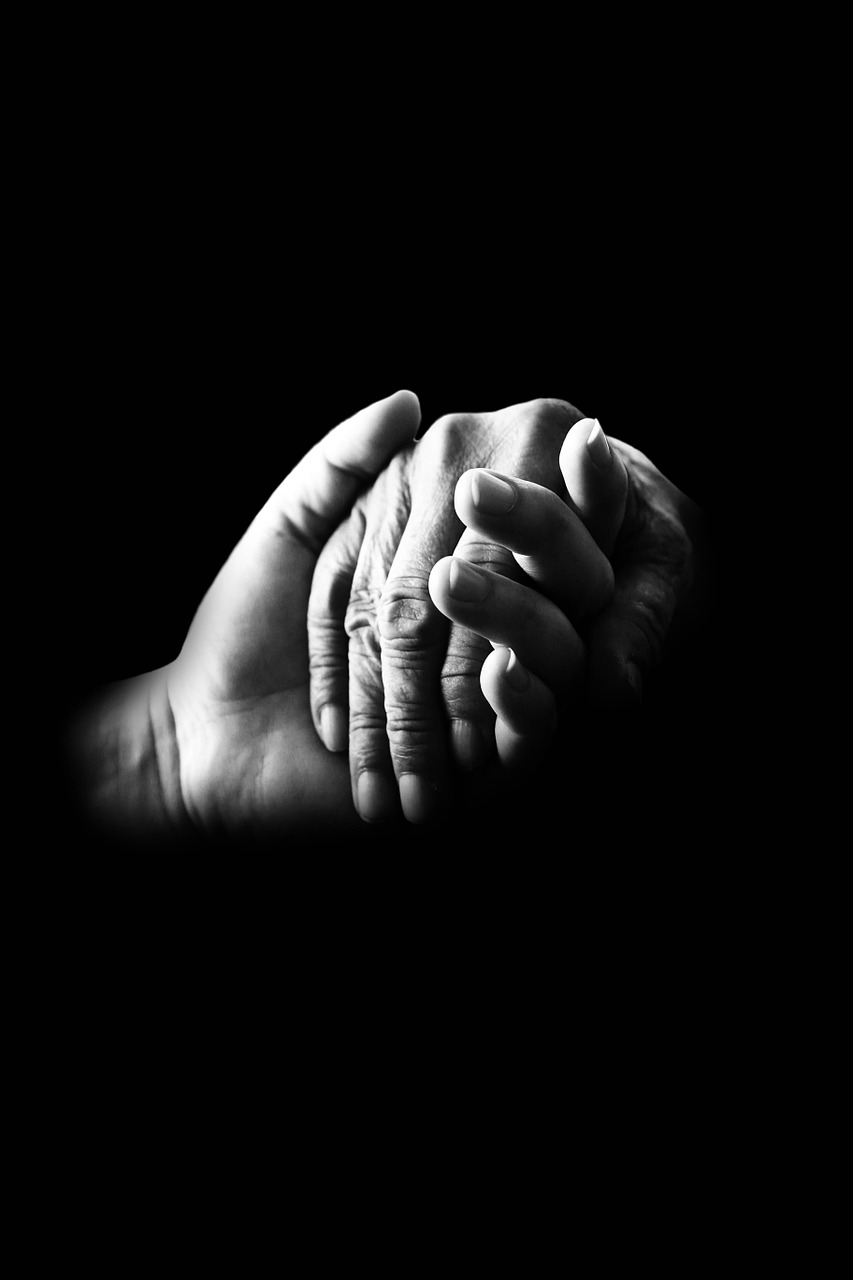
It’s interesting to note how we tend to value human life intrinsically when it is brand new – babies being born into this world – or when it is almost over – people on their death beds. In these two instances, as babies and on the brink of death, we are the closest to an existence beyond this one. From all accounts of those who have had near death experiences, who have visited the existence beyond the one we know so well, it is understood that all of us have great value. This value is experienced in the form of a love so profound and permeating that no one wants to leave that loving existence and return to this one. So how do we as human beings, lose our sense of self-value and love? It happens in so many ways on an individual and societal level, and I think it starts when we place value on what a person does or doesn’t do above who they are. As children, the focus on our accomplishments is rather high, beginning with when we begin to talk and walk and then school, lessons and measurements of all sorts. It’s possible to lose our sense of self-value in focusing so much on what we’re ‘good at’ or ‘not good at’ and how we measure up to others – the comparisons can be disturbing and relentless. There is also valuing ourselves based on what we do for others – how we benefit others as a measurement of self-worth as though our only value is in what we offer to others apart from the simple, intrinsic value of who we are. Children pick up on all of these signals related to value, which is often focused on appearance, abilities and certain kinds of accomplishments. It’s how things have been for so many years, generation after generation. Perhaps we can change that now.

I have been focusing inward a great deal over the past 10 years after my initial foray into shamanic healing and I have learned that self-love is a fundamental aspect of well-being. More and more people are becoming aware of this profound truth, which is a sign of positive change and hopefully it signals a generational shift that bodes well for the future of humanity. There is a refreshing wave of interest in self-love and yet, many still struggle with this concept because of the influence of the past and the continuing and residual attitudes that permeate our society. I think that for many of us, self-love is a concept that takes some effort and consideration to embrace let alone to embody. After all, many of us have come from backgrounds filled with praise for being ‘selfless’. It was quite a revelation to me to begin to operate from a position of ‘self-service’, which has been an essential theme throughout my shamanic healing journey.  I found it surprising and ultimately liberating to embrace ‘what serves me’ realizing that some things that I had considered to be self-serving in the past, were not truly serving me at all. However, at the heart of this, if I am to truly master it, is self-love, which requires an appreciation for our intrinsic value – my intrinsic value. I’ve sat with it and considered it and just allowed the lessons to come realizing that like many of the shifts I’ve experienced on this journey, it takes time to make the big changes in perspective – to own them, apply them and embody them.

I think the greatest opportunity for me to truly come to terms with the idea of our intrinsic value came when my dad was at the end of his life. He had been in long term care for years before the end came and when it did, I had a deeply moving dream about a month beforehand. My dreams have become important healing and teaching tools since my earliest involvement in shamanism and some stand out more than others. This dream woke me up in the middle of the night and inspired me to record the message that came with it because it was so important. In fact, it was my father’s eulogy and I was giving it in my dream with the guidance of this wise voice that I have been hearing ever since my first journey with Ayahuasca in Peru. During this eulogy, there were accounts of some of my dad’s finer attributes but it became clear that these descriptions: kind, handsome, funny & gentle could be attributed to many other people. So what was it about my dad that made him so valuable and lovable? It was quite simply who he was. That unmistakable and unique essence of the man we knew and loved so well. There was a clear recognition of his intrinsic value. We knew this without question as we grieved and thought about his life and the time we shared with him. Could we know this without question about ourselves too? This ultimate truth about all of us that others will experience when we pass? Through this dream and the eulogy that I actually gave at his funeral, my father offered me a most valuable lesson that I’m passing onto you.

This is a powerful lesson and recognizing the power of it and the simple truth of it is important. One of the deepest truths that I have learned through this ever-present guiding voice and through many shamanic ceremonies and experiences is that who we are and how we regard ourselves is felt by others without us even saying a word. Our self regard is felt and it’s a signal that we send out into the world that is being responded to all the time. So, if we regard ourselves with love, we are creating the best possible experience for ourselves in this life. Once we become accustomed to experiencing self-love and valuing ourselves in this way, we can cultivate a society that recognizes the intrinsic value of humanity which will be reflected in all kinds of positive ways that will begin to change how we exist – how we educate children for example which can change everything. After all, if we place such value and importance on ourselves then we will place importance on learning about ourselves in the earliest stages of our lives – something that has been a giant gap in our education so far. I think we have a lot of work to do to bring this great shift about but I do believe it’s underway and it’s a sort of progressive, intentional evolution – one that must begin on an individual level. It all begins with self-love. Who knew that this could be such a learning curve? But it is and once we face this and intentionally take it on, we can begin to learn and embrace what it means to recognize our own intrinsic value, knowing the profound impact it can have on our own lives, on the next generation and on our world. Just think of how many aspects of our society would change if self-love was a core value that had to be considered and adhered to – before making any policy or product or program. Make no mistake, loving yourself and recognizing your intrinsic value is important work. I hope you begin this work today and open up to all of the wondrous possibilities that come with it.

Moving from Punishment to Compassion

Throughout my long journey of healing from depression, I have been learning about the things I need to change within myself. It’s been a challenging, immeasurably rewarding and highly educational experience. It has been a process that has taught me more about myself and about humanity than I could have learned in any other way. I have always been drawn to and moved by Philosophy (the love of wisdom) so this process is feeding a very deep need in me and I’m always wanting to learn more. I know without a doubt that this is where I was meant to be, on this path of learning, and it took depression to ultimately lead me here.

One of the reasons why it’s so challenging to learn about the things that I need to change is that I, like many others, have to contend with an inner (and sometimes outer) kneejerk defensive reaction that wants to protect myself from any kind of accusation of wrong doing. If something needs to change, there needs to be an understanding of what that is and why it needs to change. This is often where the defense mechanism kicks in and this defensive reaction has everything to do with having been immersed in a punishment oriented world for so long – one that breeds this defensiveness in so many of us. The defense is a means of avoiding punishment (a sort of survival instinct). Whether it’s physical, disciplinary punishment (my parents were big softies when it came to this actually) or more of a constant series of responses that indicate how underserving a person is who has ‘done wrong’, it’s a pattern underlying typical social behaviour in our world beginning from early childhood. It is both formal in some instances (reprimands/discipline of children or legal action/jail for adults) and informal in others (social shaming, exclusion and an endless nuanced form of passive aggression). It’s a pervasive pattern that becomes internalized. The continued internal self-punishment and admonishment supports the ongoing external version – that which we apply to others – often in the form of judgement.

On a personal level, when you disparage someone else in your own mind for doing something that is considered to be wrong, you are reinforcing that tendency to punish. This strengthens the punishment reaction so that it becomes alive and well in the mind. Unfortunately, this inner tendency towards punishment is most often directed at yourself because you are the person you live with 24hrs a day. This is really what’s behind the old standing piece of wisdom: ‘When you hurt others, you’re only hurting yourself’. As it turns out, this has merit.

Punishment is a deterrent to personal growth and most importantly to unconditional self-love, which is an imperative for well-being. Because of the anticipation of punishment, defensiveness is justified as ‘self-protection’. This act of self-protection can be mistaken for an act of self-love. It is not. The defense itself is actually based on a false assumption that we can only be loved or be worthy of love if/when we don’t ‘do wrong’ or that if we ‘do wrong things’, we’re not entitled to or deserving of love – even if temporarily. It’s such an old, familiar and damaging paradigm and tearing this down can be extremely liberating. It can be both a beginning and an end: the beginning of compassion and an end to suffering.

It has been a mandatory part of my healing and growth to exercise compassion with myself and with others. Compassion is something that I have learned to nurture within. At times it’s utterly inspired and I am at peace. At others, it takes a supreme effort and I have to remind myself of the wisdom of this approach and of its constant rewards. The rewards of compassion are very clear. If I create an atmosphere in my mind of compassion, I give myself more opportunities to grow and change for the better. In an atmosphere of compassion, I have every incentive to do this because I’m no longer wasting energy defending myself and living in fear of punishment. If I’m treating myself and others with compassion and benefiting from it, I am cultivating an atmosphere of compassion all around me. This is the real revolution. Moving away from punishment and towards compassion is a revolutionary act. In fact, it might be more appropriate to term it an evolutionary act. I believe that we are growing out of this punishment phase of humanity.

Despite popular belief, punishment doesn’t work – not even formally. There have been numerous studies to support this fact and overwhelming evidence. Incarceration and corporal punishment have not reduced crime. In fact crime has only increased steadily and incarceration facilities are growing. Punishment is not effective in bringing about positive change because it only motivates people to avoid punishment rather than to consider for themselves why deep personal change might be necessary and how it might benefit them.

My path of intentional, personal growth began with Shamanism, an ancient practice of healing which for me has involved using many tools & medicines including Ayahuasca and always guided by a higher form of consciousness. There are many ways to access a higher form of consciousness. Some do this through meditation. For me, Shamanism has involved a form of meditation that we call journeying. Whatever name we put on it, this experience can be very liberating. I needed to be liberated from my way of thinking and this liberation has been an instrumental part of my healing. One of the main concepts introduced early in my Shamanic practice was the idea of ‘self service’. If I was to heal and grow, I needed to make changes. This meant dropping behaviour that ‘no longer served me’. In this phrase you may detect a distinct lack of judgement. There’s not the heaviness of ‘wrong doing’ associated with behaviour. It’s quite simply not in my best interest to do these things and therefore it makes sense that I stop doing them. Our judgemental attachment to so-called ‘wrong doing’ is what leads to so much more ‘wrong doing’, which is really just illness – hence the constant reference in Shamanism to ‘healing’ and ‘medicine’.

My experience of healing has helped me to see myself and to approach my life and the world in different ways. I continue to learn about what it means to be ill by learning and experiencing what it means to be well. When I have had difficulties of my own or with others, it helps to see that these difficulties are part of an illness that can be treated rather than an evil or bad behaviour. Once there is judgement, a heaviness is attached, and it becomes much more difficult for me to extricate myself from it. If I’m able to see it as illness, compassion is my response rather than judgement and this changes everything. Would we punish someone for being ill? Even formally, we have laws to protect the mentally ill from punishment. However, I think it’s time that we change the way that we define and perceive mental illness. A favourite quote comes to mind:

“It is no measure of health to be well adjusted to a profoundly sick society”

Jiddu Krishnamurti

The wellness and mindfulness movement is an indicator of this need for change and our desire to move forward in a different way. Those of us who have been forced to focus on wellness have discovered that this is not a quick fix. True wellness requires big changes in the ways that we think about and act towards ourselves and towards others. It requires effort and it requires compassion.

Once you begin to see the results of compassion, a form of love, you marvel at the power of it and how freeing it is. Mostly, you marvel at how good it feels and then you understand that there is an alternative to suffering. We have a choice in this and moving from punishment to compassion is a choice and a powerful step towards ending suffering.

The Story of Our Keys: Ayahuasca Wisdom on Personal Power

During my ceremonies with Ayahuasca, like so many others, I had a dialogue with a higher form of consciousness that we call Ayahuasca. When I returned from the jungle, the dialogue continued. During one ceremony, Ayahuasca asked me to put pencil to paper and when I did, the following allegorical story emerged about the nature of our personal power and how we may use it either to build barriers or to create ‘new worlds’. In essence, it’s about how we create our own reality:

Your Keys

You carry a key inside of you, and that key opens the doors of the world that you create. You are creating new worlds all the time and using your key to enter those worlds. The key must remain with you so that you may have access to these new worlds. If you give that key away you lose access.

Giving Your Key Away

Given the importance of this key, it must remain within you. If you give away your key, you give away access to those new worlds–new possibilities. Once the key leaves you, the ability to enter those new worlds resides outside of you. If you put that key into someone else’s hands you have given that person your own access to these new worlds and possibilities. Once this happens your dependency on that person begins. This dependency often breeds resentment. This resentment is the foundation of structures called barriers. We build these structures that encompass our fears of using our own keys. Our focus shifts from these new possibilities to the keeper of the keys.

The Keeper of the Keys

This keeper is now in possession of the key to these new possibilities. This possession is never permanent. It is an illusion supported by the owners of the keys. This illusion becomes more powerful as the focus on the keeper grows. The keepers of the keys are now reviled by the owners because the keepers are restricting access or building worlds that the owners don’t like. This creates conflict.

The Key Owner’s Dilemma

Being convinced that the keepers now own the keys, the owners feel powerless. Every time the owner begins to build a new world this same owner destroys it in the name of the keeper always placing the responsibility for this destruction solely on the shoulders of the keeper. The owner’s frustration builds. How can the owner be expected to create a new world when the keeper stands in the way?

The New Owner’s Thoughts

Now that the keys have no real home having been discarded by the owners and never truly residing with the keeper, the keys constitute an immense unused power. This power is needed and desired by every owner and yet remains unused. The keys are illuminated every time someone breaks out this trap. Those who break free not only see the keys at everyone’s disposal, they also see the multitude of keys to the endless new worlds that they may build.

These are not only the new owners but the true owners as they acknowledge where the true power lies. The new owners see not only the possibilities but the endless struggle of those who deny ownership of their keys. This is a dilemma indeed. How can they help the other owners and keepers to see the reality of the natural and true state of the keys? They must show this by using their own keys to build new worlds in hopes that others will be inspired to claim ownership of their own keys. This is the path to freedom.

This is only an excerpt of ‘The Story of Our Keys’ that continues to unfold. I wrote this story but a higher form of consciousness is the author. I learned a great deal from writing this story and continue to learn more each time I write and each time I read it. It is becoming a book.  I will self-publish if necessary, but I would like to find a publisher who is inspired to take this on. Through this work, I have begun to see that our world is filled with unusual and inspiring things if we’re willing to see them and most importantly, to create them.

Healing The World of Conflict: Inner & Outer

Some of the major issues in the world that loom large and seem ominous are larger and more extreme versions of the kinds of issues we face in every day situations in our own lives and more importantly, of issues we face or often don’t face within ourselves. One of the things that I have discovered on my path of healing is how much conflict there has been within me. It’s been the focus of most of the work I‘ve been guided to do on myself, and it’s been an incredibly insightful experience. Once I got past the ego driven resistance that didn’t want to acknowledge there’s anything ‘wrong’ with me, I was able to learn about the things I needed to change to help make my life experience richer, more peaceful and more fulfilling.

The truth is that there’s nothing ‘wrong’ with me. This notion of being ‘wrong’ was a misinterpretation. It was my response to the idea of recognizing the things within me that I needed to address. Even the worst parts of my behavior were and are just a reflection of internal conflict and addressing this internal conflict is an ongoing process. Orienting myself to this view has helped me a great deal. It has helped me to become more gentle with myself and to become less judgmental of others. The reason that many of us have a strongly negative reaction to this notion of being wrong is because we associate this wrong behavior with who we are but deep inside, we know that this wrong behavior is not who we are at all. In fact, it’s at odds with who we are and therein lies the conflict.

Working through internal conflict can be challenging but so consistently rewarding and with this work comes a change in perspective. A deeper understanding of our own inner world can lead to a better understanding of our outer world. It doesn’t take long to see parallels between internal conflicts and the conflicts that exist within close personal relationships. From there you can see how our immediate community and ultimately, the global community is a reflection of these same kinds of conflicts that exist within us all. It’s clear to me now that we’ll never be able to solve these greater world issues of conflict unless we can recognize and begin to address our own internal conflicts.

I think that this is part of what Jesus meant in the “throw the first stone” lesson. Billions of people have been profoundly moved by similar tenets in religions and belief systems worldwide for a reason. There’s a part of us that recognizes the truth of it. Underneath all of the conflict inside of us resides a source of wisdom – an intuition – that can be the guiding principal in our lives. This guiding principal contains the essence of who we really are. It is a unique aspect of our being that is often ignored to our detriment. By simply forming the intention of connecting with this wisdom, we acknowledge its existence and from there, the journey of healing ensues. If we allow ourselves to be guided by this internal wisdom we may begin to address internal conflict that reflects outwardly and in doing so, we take the most important step towards addressing conflict in this world.

Movies, Emotional Detox & A Glimpse into the Human Condition

After dropping off my son this morning, I was overcome by emotion. The emotion wasn’t really attached to anything – maybe a general desire and appreciation for community but really, it was just one of many episodes designed to release pent up emotions. This is not an unusual thing for me these days and it’s not an indicator that anything is wrong. In fact, it’s quite the opposite. I began a path of healing two years ago to heal myself from a very deep depression that lasted for years. This path has taken all kinds of twists and turns and has become the greatest and most intensive education I could have ever imagined. I’ve learned a great deal about myself and the world and my particular role in the world through a connection that has been unfailingly wise, supportive and loving. Many people make this connection through meditation and I’m sure that each person’s experience of this is as unique as they are. My connection was created through a shamanic process I engaged in two years ago as part of my efforts to cure my depression. Little did I know back then that I would be embarking upon an extraordinary adventure that would lead me through astonishing experiences that continue to this day. I’m not sure what my reaction would have been if I did know this back then. At that time, I would have done just about anything to relieve my suffering but I can say that it would have surprised me to know that I would be involved in anything that was deemed to be spiritual.

I’m sure that I was hoping for a quick fix but any kind of fix would do for me at that time as I was in such pain. I now realize that healing is a life long journey and it’s really a matter of taking a lead role in the direction and quality of my life. One doesn’t have to be depressed to see the benefits of this but being depressed forced me to see it. I think that this is why some people who have recovered from addictions, depression or other serious illnesses find themselves feeling grateful. Like many of them, I know that I would never have embarked on this journey if I hadn’t found myself in such a deep state of despair.

I have used various healing tools on this journey and many of them were prescribed through this connection to a deep intuition or presence. I have been taken through a process of emotional detox that has been quite a long one. I have been guided toward certain media – movies and books – that evoke a specific emotional reaction within me and often teach me a lesson. Mostly these lessons are about experiences I’ve had in my life and how they have affected me. Sometimes through these stories (either a movie or a book) I am introduced to a situation that needs to be addressed or more often an experience I had that needed to be acknowledged for what it was and how it made me feel. I often respond with tears and as I shed the tears there is a sense of release, understanding and peace. Sometimes there is pain but almost always a pain that is being brought up to be released so it’s a relief really – like finding the knot so it can be massaged. In these cases it is a gnawing pain that’s deeply embedded and causes untold problems until it’s brought to the surface to be acknowledged and released.

This process is quite remarkable. It’s obviously been custom designed for me. The movies I’ve been guided to watch are mostly movies I’ve seen before (or at least knew about) and sometimes they are not necessarily ones I want to watch. Just about every time I have this strong intuition toward one of these movies I’m doubtful and think I must be imagining things. Doubt is a constant that I’ve just gotten used to and I don’t even bother anymore to swat it away like a fly as I used to. Now I just allow doubt to run like a necessary computer program doing regular maintenance. Having experienced such extraordinary things through this process so far, I’m motivated to move beyond the doubt enough to watch the movie and every single time I’m amazed at how new and profound the experience is. There’s always something that stands out in the film that didn’t when I watched it before and it resonates so deeply with me that it’s unmistakable what the personal message is. Sometimes I respond emotionally before I fully understand why but the understanding comes as the tears fall. I always feel much better afterwards. It’s not like a regular cry at all (although I suspect that’s healthy too). It’s actually an elevating feeling – like I’ve achieved a different way of being afterwards. Sometimes it’s more pronounced than others but it’s always there and it always changes me for the better.

Sometimes these stories provide me with lessons about humanity. There is the prevalent issue of the senseless conflict in this world. This is something that we’re all aware of on some level but this message reaches a whole new level when this kind of lesson is underway. It’s like waking up to something so ridiculously simple and knowing that we’re failing to see the reality and impact of it. There is another persistent yet unique theme about humanity that becomes clearer and clearer to me each day, which is that humanity itself is an ecosystem. Initially this concept helped me to address my questions and anxiety about so many things that I found to be disturbing in this world. It became apparent to me that although I didn’t agree with every philosophy, system or approach to life, they all have their purpose – even those that may seem dark and destructive. I am often reminded of my depression which I saw no sense in at the time. This idea of humanity as an ecosystem gave me a great sense of peace. It’s a concept that I will expand upon more completely in my writing and in my book but it will also be an idea that I will continue to explore and engage with in responding to the world around me. It helps me respond more peacefully to the world and to expend my energies in a more appropriate and healthy way. This issue of the appropriate expenditure of energy is a lesson in and of itself that is continually reinforced and it’s worth sharing but I’ll leave that for another day when my energy reserves have been sufficiently replenished!

Credibility: Belief & Trust

To address the issue of credibility, in relation to the experiences I’ve been having and writing about, I decided to look up the definition of the word. It was quite a revelation as it often is when you pursue this kind of inquiry. There is a sense of chasing your tail. One word leads to another, which leads back to the first. Credibility definitions all have to do with belief and trust. As usual there are synonyms and examples of the use of the word and you inevitably come across other words and themes like reality and truth. Looking into the definitions of these related words is a very similar experience and I recommend that everyone do this but just in case you don’t think you’ll find the time, I have printed my findings at the bottom of this post.

Looking at the origins of words is often more intriguing than looking up the definition and it can provide more insight. I looked up the origins (etymology) of similar words: credible, credentials, credence. Eventually it led to the word Credo literally meaning “I believe”. I think the most important aspect of this exercise is that it shows that what we believe is what is considered to be credible. It reflected back to me the same kind of theme that repeats itself often on this journey of healing: when I look outside of myself to discover anything it always circles back to me in the end.

There are other interesting discoveries to be made in definitions for related words. Within the definition of the word ‘reality’ I found this most revealing statement that is meant to illustrate the meaning of this word:

  • a thing that is actually experienced or seen, especially when this is grim or problematic.

It’s interesting to consider the fact that we find something more credible – more reality based – if it is negative. I think we have all experienced the word reality more often than not being used in relation to something grim or unpleasant which is always contrasted by the idea of fantasy. This leads me back to why I made this inquiry in the first place. The word incredible is often used as an overwhelmingly positive description of something. It’s usually understood that whatever is being described as ‘incredible’ is actually witnessed or experienced. All of this would seem to indicate that what we experience as overwhelmingly positive, we find hard to believe. What does this say about our collective state of mind? At the very least, I think it can be changed for the better and I believe that this change is already underway with the growing interest in meditation, intention and consciousness. Areas of thinking that have been conventionally perceived as separate and opposed (science and spirituality) are now coming together to form beliefs (credibility – reality) that represent great progress and promise for humanity.

End Note: If you look at the definitions below, when you come across the part of the definition for the word ‘reality’ that states: “existence that is.. not subject to human decisions or inventions”, I hope you either have a good chuckle as I did or consider the various versions of reality we are exposed to daily on a social level (people’s opinions/beliefs) or look into the concept of quantum reality that continues to be a point of contention as many scientists remain committed to their own beliefs surrounding this revelation rather than continue to explore these phenomenal possibilities that might upset everything we’ve understood about reality to date. I think this is a good example of the spiritual and scientific community coming together, even though not all scientists are ready to consider the idea of our impact (observer’s effect) on reality to be ‘credible’.

End Note II: If you want a further chuckle, look up the definition of ‘reality’ yourself and see all of the references to ‘reality TV’.

Credibility/Credible

http://www.merriam-webster.com/dictionary/credible

: able to be believed : reasonable to trust or believe

: good enough to be effective

Full Definition of CREDIBLE

:  offering reasonable grounds for being believed <a credible account of an accident> <credible witnesses>

http://www.oxforddictionaries.com/definition/english/credibility

The quality of being trusted and believed in: the government’s loss of credibility

Origin

Mid 16th century: from medieval Latin credibilitas, from Latin credibilis (see credible).

Late Middle English: from Latin credibilis, from credere ‘believe’.

Etymology

Credible:

http://www.etymonline.com/index.php?term=credible

credible (adj.)

“believable,” late 14c., from Latin credibilis “worthy to be believed,” from credere (see credo). Related: Credibly.

Credentials

http://www.etymonline.com/index.php?term=credentials

credentials (n.)

“letters entitling the bearer to certain credit or confidence,” 1670s, from Medieval Latin credentialis, from credentia (see credence). Probably immediately as a shortening of letters credential (1520s, with French word order); earlier was letter of credence (mid-14c.).

Credence

credence (n.)

mid-14c., from Medieval Latin credentia “belief,” from Latin credentum (nominative credens), past participle of credere “believe, trust” (see credo).

Credo

credo (n.)

late 12c., from Latin, literally “I believe,” first word of the Apostles’ and Nicene Creeds, first person singular present indicative of credere “to believe,” from PIE compound *kerd-dhe- “to believe,” literally “to put one’s heart” (cognates: Old Irish cretim, Irish creidim, Welsh credu “I believe,” Sanskrit śrad-dhā- “faith”), from PIE root *kerd- (1) “heart” (see heart (n.)). The nativized form is creed. General sense of “formula or statement of belief” is from 1580s.

                When you look up the word ‘Truth’ you find many references to ‘Reality’:

  • that which is true or in accordance with fact or reality.

                                     This led me to examine the word ‘Reality’

re·al·i·ty

noun: reality

the world or the state of things as they actually exist, as opposed to an idealistic or notional idea of them.

“he refuses to face reality”

synonyms:the real world, real life, actuality; More truth; physical existence” distinguishing fantasy from reality”
antonyms:fantasy
    
  • a thing that is actually experienced or seen, especially when this is grim or problematic.
  1. 2.

the state or quality of having existence or substance.

  • Philosophy

existence that is absolute, self-sufficient, or objective, and not subject to human decisions or conventions.

Origin

late 15th century: via French from medieval Latin realitas, from late Latin realis ‘relating to things’ (see real1).

My conclusion about reality? It’s all relative…

The Presence Process

During one of my Ayahuasca sessions in Peru I was instructed to start “The Presence Process” right away. I had bought the book before I took the trip as I had read about it on the website for the organization I visited in Peru. I had the book with me on this trip but had yet to read it and of course, Ayahuasca knew this along with all kinds of intimate details of my life. Most people who do Ayahuasca can tell you that this plant spirit reveals things that make it very clear that it has in-depth knowledge of who you are and it can be surprising at times how completely it understands you – often more than you understand yourself which is why it can be an extremely insightful experience to connect with this spirit. I had the intention of changing my life completely according to the revelations of these spiritual experiences so that I may live a more meaningful, authentic and powerful life. After reading the substantial intro to the book “The Presence Process” (almost half the book) I embarked upon a remarkable healing journey and realizing the powerful tools it had to offer, I knew why it had been recommended to me.

It’s a very difficult process and many times during it I had been desperate to find some kind of support beyond the book. I looked for some feedback about it online and it was only after I finished the process (or the main part anyway) that I found some questions and answers on the portal that was somewhat along the lines of what I had been seeking. However, I realized in retrospect that if I didn’t find it when I was looking, I wasn’t meant to. I’m beginning to have a lot more faith in these kinds of things in my life as I am now being guided in so many ways that I can’t fail to see that most if not everything in life has a rhythm and is a result of some part of who I am and where I’m at. In fact, Ayahuasca responded to my curiosity about the nature of reality by stating that my reality was a result of my ‘state’. And ever since, this spiritual presence that has remained with me has been guiding me in ways to help me change my state for the better. Some of these changes are painful and this process is a powerful vehicle that facilitates these crucial changes.

During the process I experienced a great deal of emotional upheaval. I began to realize that this was (and still is) a sort of emotional detox. It’s helpful to remember this while experiencing it because it can be confusing and discouraging. We all associate healing with good feelings but when we feel bad, we immediately think that something must be wrong. We often have this reaction when we’re feeling physically sick but again, there can be symptoms of detox that facilitate healing that are quite uncomfortable. I remember a couple of years ago having pneumonia at Christmas time. I had a fever of 104 and needless to say, I was quite seriously ill. I purged a great amount of mucous (my apologies for the graphic description) and afterwards, my chest and lungs felt better than they had felt in years. I could breathe much more easily and felt so much stronger for it. I realized then that my body was actually healing me. I think this happens far more often than any of us realize.

On an emotional level, it becomes very difficult to keep a steady view of this necessary part of healing and I still marvel at how often I am taken off guard by it when these bouts of emotional detox occur. Although I have completed the process, I am still undergoing the healing process in a more relaxed manner so to speak. When the need arises, I am able to put the tools I learned in this process to work and of course the need does arise often enough for me to know that in order to fulfill my intention, I must do a lot more healing and in so doing, continue to change my ‘state’. I often still balk at these feelings when they overcome me and once I catch myself in this familiar reaction, I realize that I must accept these feelings or I won’t be able to integrate them and therefore overcome the way they affect my life (and my reality). I can’t pretend that I always react well. It has been a huge learning curve to respond to these emotions differently than I have done for so many years but I am determined to do better each time – or to try anyway. One way or another, with a great deal of help from my guiding spirits or this ‘presence’ I’ve felt since I returned from Peru, I have managed to make progress.

It has been and continues to be a tremendous challenge and an empowering experience. I’m not sure what other people’s experience of this process is but I know that I’m just so grateful for the guidance I received during it and continue to receive. I would be interested in hearing about other people’s experiences and whether or not they felt a presence working with them. I want to make it clear that I’m not in a position to guide or advise anyone else because I know how unique everyone’s situation is, and from what I can gather, this process is about working one on one with presence itself to sort out these very personal issues. Having said this, I also know that sometimes it can be helpful just to share experiences and give and receive support when going through such a challenging process. My process was and continues to be fully guided and I was given some very specific instructions while going through this experience. I continue to be guided and although I may still get confused at times and feel doubt, I know that my life is immeasurably richer in every way due to the guidance I receive. I can only hope that others find their own way of seeking internal guidance, as I believe that this is the way that our world will truly change for the better.

Post Script: The source for Q&A provided by the author of The Presence Process that I found after the fact can be accessed now through this link: http://presenceprocessquestions.blogspot.ca/2009/07/i-have-done-presence-process-twice-but.html